

Deciding Between the HMDD Shorts versus the Sweatpants: What Fits Best For How You Live
The choice between HMDD shorts and HMDD sweatpants isn’t only tied to seasonal conditions. Instead, it reflects the way you spend your hours, what your wardrobe still lacks, plus which fit echoes the HMDD label’s spirit — Happy Memories Don’t Die — a name so many shoppers are chasing in 2026. The two lines stem from one common DNA: relaxed fits, silhouettes shaped by streetwear, along with subtle logo work that keeps the focus on the garment instead of a giant logo. But the pair serves distinct purposes. To help you decide which one earns a lasting spot in your closet, or whether you need them both, this piece lays out the real differences.
HMDD has built a following among shoppers looking for an HMDD review before committing to buy, largely because the label doesn’t oversell itself. It’s positioned as daily-wear pieces with a nostalgic streak — the name itself, happy memories dont die, suggests a label centered on nostalgia and comfort not disposable fast-fashion trends. Shorts and sweatpants are two of its most searched products, and each one caters to a distinct lifestyle rhythm: one built for warmth and stillness, the other for movement and airflow.
Exactly What HMDD Shorts Are Made For
HMDD shorts are built around adaptability first. They sit in that in-between zone of sport-meets-casual style, meaning they perform just as well for a grocery run, time at the gym, or relaxing with the AC on. The silhouette tends to land at or slightly above the knee, which holds the silhouette up to date without tipping into either extreme of the short-length spectrum. Across HMDD clothing overall, that mid-length approach has become a defining trait — hmdd hoodie garments built around a proportion that lasts well beyond any single season, rather than chasing micro-trends.
In this case, the weight of the fabric matters. Shorts are fundamentally a hot-weather or in-between-season piece, and at the same time the way HMDD approaches this gives preference to breathable cotton-blend constructions that hold shape through repeated washing. If you’re someone who’s active — taking the dog out twice daily, squeezing in a 6 a.m. workout, or passing afternoons outdoors — shorts cut down on friction, both physically and metaphorically. They also pair well under longer outer layers in cooler seasons, which extends their wearable season past the summer months alone.
The shorts from HMDD match up well with the label’s graphic tees and hoodies, which means a coordinated outfit forms with barely any styling work.
For shoppers researching best HMDD clothing picks for a first purchase, shorts are often recommended as an entry point because the sizing tends to be more forgiving than fitted bottoms, and the price point typically sits lower than sweatpants due to less fabric used in construction.
The HMDD Sweatpants’s Design Focus, Explained
By comparison, sweatpants are made for an entirely separate function. The pair is built for warmth retention, comfort that lasts the whole day, and a looser cut that feels more like «lifestyle» than «performance gear.» The HMDD sweatpants line usually offers a straight leg with an elastic or drawstring waist, and the material thickness runs denser — commonly a brushed fleece or midweight cotton blend that traps heat effectively during colder months.
This makes sweatpants the better choice for anyone whose daily routine involves more sitting than moving: people working from home, classroom-bound students, or people who simply want a uniform for cold mornings and late nights. The trade-off is breathability. Unlike shorts, sweatpants weren’t made for intense movement, so if your day includes being out and about in 75-degree warmth, they’ll hinder more than help.
In terms of perceived value per wear, sweatpants have the edge. Since they see use over a longer stretch of the year in most regions — picture October through March in milder climates — the cost-per-wear calculation often favors sweatpants even when the upfront price is higher. Sweatpants from HMDD likewise carry more of the label’s signature flair, like stitched wording that nods to happy memories don’t die, since the larger fabric surface area gives designers more room to work with.
Side-by-Side Comparison
| Point of Comparison | HMDD Shorts | The HMDD Sweatpants Line |
|---|---|---|
| Ideal season | Spring through early fall | Autumn into winter |
| Material thickness | Lightweight cotton blend | Midweight to heavyweight fleece blend |
| Typical use case | Active days, warm-weather errands, gym | Lounging, remote work, cold-weather commutes |
| Layering potential | Strong — layers well beneath longer outer pieces | Fair — adds bulk under snug layers |
| Branding visibility | Smaller logo placements | Greater fabric space for embroidery or print |
| Cost-per-wear (typical climate) | Used less often, tied to season | Worn more often through the colder stretch |
Pairing the Piece with Your Daily Routine
When your days are filled mostly with activity — walking to get around, exercising, or logging hours outdoors — shorts make the smarter buy. They reduce heat retention and allow a fuller range of motion, which proves more important than expected once they’ve worn a restrictive pair of bottoms through a workout. By contrast, if your lifestyle skews toward stationary comfort, whether that’s logging hours at a home desk or using weekends to knock out indoor errands, sweatpants offer steadier payoff.
Climate is the other deciding factor, and it’s often underestimated. Someone living somewhere with mild winters might get away with wearing HMDD shorts nine months out of twelve, while someone in a colder region might reach for sweatpants five days a week from November onward. This is why many repeat customers researching HMDDLA and the wider HMDD clothing catalog end up owning both — not as a redundant purchase, but as a seasonal rotation strategy that keeps their wardrobe functional year-round.
It’s easy to overlook the role one’s build and personal ease preferences also play. Shorts typically reveal more of the leg’s shape and length, something certain buyers like and certain buyers skip. Joggers, with their looser drape, tend to be more forgiving across a wider range of body shapes, which is part of why they’ve remained a wardrobe staple even as fashion cycles shift dramatically year to year.
Guidelines Regarding Toughness along with Upkeep
Each of the two items respond well to standard cold-wash, low-heat-dry routines, but each wears differently over time.
During peak summer months, shorts made from lighter cotton blends, if worn multiple times a week, may start fraying faster at the hem and pocket stitching—largely due to greater motion-driven friction and more frequent washing.
With their heavier fleece construction, sweatpants, usually retain their form over more wear but are more prone to pilling on the inner thigh area if machine-dried repeatedly on high heat.
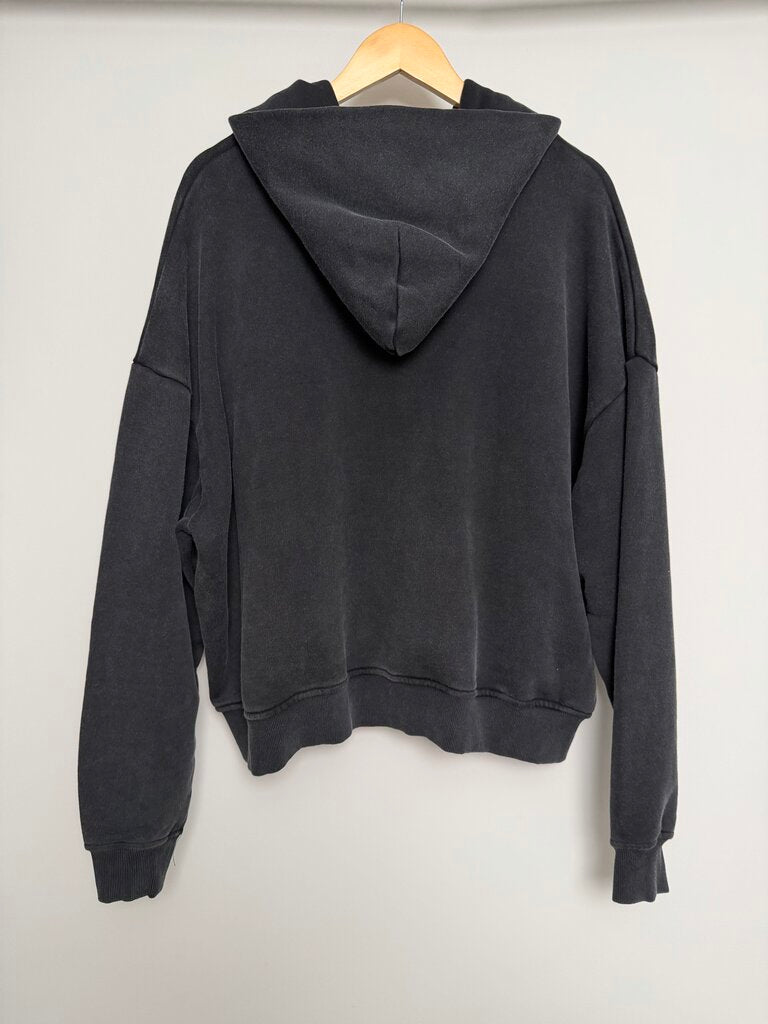
For anyone serious about extending the life of either piece, air-drying is the more reliable method, even though it takes longer. This is a small detail that rarely comes up in a typical HMDD review, but it makes a measurable difference over a 12-month ownership period. Rotating between two or three pairs of whichever product you buy more of also reduces the wash frequency per item, which slows fabric breakdown considerably.
Our Final Call on Which One You Should Snag First
No single answer fits everyone, but there is a practical way to decide. Building a capsule wardrobe from scratch when you can only stretch to only a single category at present? If so, ground the decision in current season and everyday activity and not just style preference. Shoppers browsing in March or April will find more immediate value in shorts, whereas someone browsing in October is better served by sweatpants.
For shoppers who’ve already explored HMDD clothing and are ready to expand their collection, rather than leaving a seasonal gap, picking up one of each gives you a more complete all-season system. The brand’s consistent sizing and fabric quality across both categories means the decision comes down to function, not risk. No matter which you choose first, both products carry the same core philosophy the brand was founded upon — comfort, longevity, and clothing meant to be lived in, not just admired.